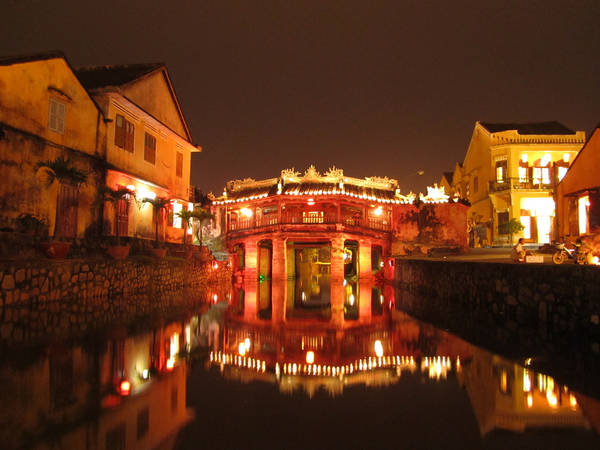
Latest

Hiển thị các bài đăng có nhãn Vietnam beautiful. Hiển thị tất cả bài đăng

Thứ Tư, 21 tháng 10, 2015

Mau Son Mountain only 30km away from the center of Lang Son City, Mau Son Mountain is located in Loc Binh District, Lang Son Province. This natural wonder has an ability to mesmerize anyone who is strong and lucky enough to make it to its peak, from which they can witness one of the most magnificent sceneries of Southeast Asia.


In the past, people can only get to the top of Mau Son Mountain by either walking or riding a horse. During the period of French colonization, the mountain was the favorite attraction the French upper class in Vietnam. They also built a military center there in the 20th century to guard and protect the border of Vietnam. These activities of the French people excluded the original inhabitants in the region – the Dao ethnic group, from residing in their own place. As a result, this group had to move, leaving the area around Mau Son Mountain to the powerful French. However, only a fixed number of authorized people can enter the French base.
>>> Read more: things to do in dalat


The site was not open to tourists until January 1936 when Dr. O Pflot, a student of Dr. Alexandre Yersin visited Mau Son to collect some Vietnamese traditional medicinal herbs. Amazed by the artless beauty of Mau Son, he insisted the French governor on permitting tourism activities to develop in the region. He finally got accepted and started constructing the tourist villas in the same year. It took O Pflot about 7 years to finish his dream site and the result was rewarding. Nowadays, you can find many ancient stone villas on the side of the mountain.
>>> Things to do in ho chi minh mausoleum hanoi


>>> Read more: Hanoi opera house - a well-known landmark in Hanoi
Vietnam beautiful

Mau Son Mountain - Lang Son

Unknown  |  at  22:01

Mau Son Mountain only 30km away from the center of Lang Son City, Mau Son Mountain is located in Loc Binh District, Lang Son Province. This natural wonder has an ability to mesmerize anyone who is strong and lucky enough to make it to its peak, from which they can witness one of the most magnificent sceneries of Southeast Asia.


In the past, people can only get to the top of Mau Son Mountain by either walking or riding a horse. During the period of French colonization, the mountain was the favorite attraction the French upper class in Vietnam. They also built a military center there in the 20th century to guard and protect the border of Vietnam. These activities of the French people excluded the original inhabitants in the region – the Dao ethnic group, from residing in their own place. As a result, this group had to move, leaving the area around Mau Son Mountain to the powerful French. However, only a fixed number of authorized people can enter the French base.
>>> Read more: things to do in dalat


The site was not open to tourists until January 1936 when Dr. O Pflot, a student of Dr. Alexandre Yersin visited Mau Son to collect some Vietnamese traditional medicinal herbs. Amazed by the artless beauty of Mau Son, he insisted the French governor on permitting tourism activities to develop in the region. He finally got accepted and started constructing the tourist villas in the same year. It took O Pflot about 7 years to finish his dream site and the result was rewarding. Nowadays, you can find many ancient stone villas on the side of the mountain.
>>> Things to do in ho chi minh mausoleum hanoi


>>> Read more: Hanoi opera house - a well-known landmark in Hanoi

Chủ Nhật, 11 tháng 10, 2015

With the advantage of a long beach with smooth sand, blue sea and little waves and storms, Mui Ne is known as “the capital” of Vietnam’s resort and the ideal place for those who want to have a Vietnam beach vacationor honeymoon holiday. Mui Ne is a famous cape, coastal resort town in Phan Thiet – the city of Binh Thuan province. It attracts a growing number of tourists each year.

From a deserted coastline with red sand dunes like deserts far away from roads, only scattered poor fishing villages, Mui Ne today is growing with hundred of resorts on the beach as well as restaurants bars and cafes stretching over 15 kilometers. Deep-blue, transparent waters and smooth beaches are ideal for those who want to sunbathe or go swimming. One of the most impressive sights for tourists who travel to Mui Ne is the lines of green coconut trees along the curved long beach. There are immeasurably high trunks of coconut trees bending to the seashore and carve the space with a pretty image which reflects their endless vitality despite storms, rain, sun and time.

Mui Ne also includes neglected beaches with imposing scenery and clean environment such as Ong Dia Beach, Truoc Beach and Sau Beach. In the north of Mui Ne is Doi Duong Beach running 10km and sloping gently to the transparent and blue waters. In the west of Doi Duong Beach, Fairyland Hill is a gift of the heaven with particularly attractive natural beauty. Land is as red as lipstick with strange shapes.

Many tourists enjoy a trip to these surprisingly Saharan-like sand dunes located not far from Mui Ne’s important beaches. There are the two fascinating spots to visit; the white and the red sand dunes. The White Dunes are by far the larger dunes and are known by locals as Bau Trang or White Lake. Bau Trang is a fresh-water lake formed long ago and located amid the endless sand hills. It is divided into two parts by a sand hill, which are called Bau Ong (Mister Lake) and Bau Ba (Lady Lake). Bau Trang is large and is 19 metres deep at its deepest spot. Around the lake lotuses are growing. The Red Dunes, as the name suggests, features reddish-brown sand that makes them a more popular place for photography. Smaller than White Dunes, they are easier to reach.

From Phan Thiet city center, about 18 km of North East Phan Thiet, visitors will meet an extremely romantic poetic place that is Suoi Tien (Fairy Stream). One side of Suoi Tien is white and red sand mountain intermixing together, another side are rows of shading coconut palms, lines of trees with luxuriant leaves. The water stream of Suoi Tien has the red color from the sunlight and from the red sand in the bottom of the stream. Mui Ne also has many other beautiful landscapes such as Rom Islet, Ong Hoang Storey and Poshanu Cham Tower. Along beaches are tourism villages, hotels, villas and sports and entertainment places where tourists can go swimming, fishing, play golf, enjoy the view of the sunlight on sand dune or catch cuttle-fish in the sea. Moreover, when travel to Mui Ne, tourists will have a chance to visit the fishing village of Mui Ne and witness the operation of a Vietnamese original fishing village.

The average temperature in Mui Ne is 27°C, and the weather is hot and dry for most of the year. The tourist season is between December and May. Booking in advance is necessary if you would like to travel to Mui Ne in the tourist season.


The beautiful white sand beach of Mui Ne – Where you can have great swim of enjoying kite surfing

The couple walking on Doi Hong – the Pink Sand Dune and looking at the other couple relaxing on sand

The best time to visit Doi Hong are on Sun Rise or Sun Set, when you can indulge with the beauty of the great nature here


Beautiful Scenery on the way from Mui Ne to Bau Trang

>>> Read more: Hanoi opera house - a well-known landmark in Hanoi


The photo of Bau Trang – big and amazing lake located next to the white sand dune


Traveler walking on the white sand dune of Bau Trang. Within 10 minutes, the wind will cover his food prints and make the sand dune back to serene white color

Expert vietnam travel guide including detailed information about everything you need to know about Vietnam


The famous Love Tree in Bau Trang – the popular venue for photograppher to take the photo.

You can see the beautiful lake and sand dune from here


Photo taken from Suoi Tien ha long – the Fairy Stream. This is unique stream in Vietnam with great formation created by erosion to soft red and white stone


The panorama view of Suoi Tien from above


One of hundreds resorts in Mui Ne
Vietnam beautiful

Mui Ne travel guide

Unknown  |  at  21:29

With the advantage of a long beach with smooth sand, blue sea and little waves and storms, Mui Ne is known as “the capital” of Vietnam’s resort and the ideal place for those who want to have a Vietnam beach vacationor honeymoon holiday. Mui Ne is a famous cape, coastal resort town in Phan Thiet – the city of Binh Thuan province. It attracts a growing number of tourists each year.

From a deserted coastline with red sand dunes like deserts far away from roads, only scattered poor fishing villages, Mui Ne today is growing with hundred of resorts on the beach as well as restaurants bars and cafes stretching over 15 kilometers. Deep-blue, transparent waters and smooth beaches are ideal for those who want to sunbathe or go swimming. One of the most impressive sights for tourists who travel to Mui Ne is the lines of green coconut trees along the curved long beach. There are immeasurably high trunks of coconut trees bending to the seashore and carve the space with a pretty image which reflects their endless vitality despite storms, rain, sun and time.

Mui Ne also includes neglected beaches with imposing scenery and clean environment such as Ong Dia Beach, Truoc Beach and Sau Beach. In the north of Mui Ne is Doi Duong Beach running 10km and sloping gently to the transparent and blue waters. In the west of Doi Duong Beach, Fairyland Hill is a gift of the heaven with particularly attractive natural beauty. Land is as red as lipstick with strange shapes.

Many tourists enjoy a trip to these surprisingly Saharan-like sand dunes located not far from Mui Ne’s important beaches. There are the two fascinating spots to visit; the white and the red sand dunes. The White Dunes are by far the larger dunes and are known by locals as Bau Trang or White Lake. Bau Trang is a fresh-water lake formed long ago and located amid the endless sand hills. It is divided into two parts by a sand hill, which are called Bau Ong (Mister Lake) and Bau Ba (Lady Lake). Bau Trang is large and is 19 metres deep at its deepest spot. Around the lake lotuses are growing. The Red Dunes, as the name suggests, features reddish-brown sand that makes them a more popular place for photography. Smaller than White Dunes, they are easier to reach.

From Phan Thiet city center, about 18 km of North East Phan Thiet, visitors will meet an extremely romantic poetic place that is Suoi Tien (Fairy Stream). One side of Suoi Tien is white and red sand mountain intermixing together, another side are rows of shading coconut palms, lines of trees with luxuriant leaves. The water stream of Suoi Tien has the red color from the sunlight and from the red sand in the bottom of the stream. Mui Ne also has many other beautiful landscapes such as Rom Islet, Ong Hoang Storey and Poshanu Cham Tower. Along beaches are tourism villages, hotels, villas and sports and entertainment places where tourists can go swimming, fishing, play golf, enjoy the view of the sunlight on sand dune or catch cuttle-fish in the sea. Moreover, when travel to Mui Ne, tourists will have a chance to visit the fishing village of Mui Ne and witness the operation of a Vietnamese original fishing village.

The average temperature in Mui Ne is 27°C, and the weather is hot and dry for most of the year. The tourist season is between December and May. Booking in advance is necessary if you would like to travel to Mui Ne in the tourist season.


The beautiful white sand beach of Mui Ne – Where you can have great swim of enjoying kite surfing

The couple walking on Doi Hong – the Pink Sand Dune and looking at the other couple relaxing on sand

The best time to visit Doi Hong are on Sun Rise or Sun Set, when you can indulge with the beauty of the great nature here


Beautiful Scenery on the way from Mui Ne to Bau Trang

>>> Read more: Hanoi opera house - a well-known landmark in Hanoi


The photo of Bau Trang – big and amazing lake located next to the white sand dune


Traveler walking on the white sand dune of Bau Trang. Within 10 minutes, the wind will cover his food prints and make the sand dune back to serene white color

Expert vietnam travel guide including detailed information about everything you need to know about Vietnam


The famous Love Tree in Bau Trang – the popular venue for photograppher to take the photo.

You can see the beautiful lake and sand dune from here


Photo taken from Suoi Tien ha long – the Fairy Stream. This is unique stream in Vietnam with great formation created by erosion to soft red and white stone


The panorama view of Suoi Tien from above


One of hundreds resorts in Mui Ne

Thứ Bảy, 3 tháng 10, 2015

Things to see and do


Beautiful beaches


The beaches of Vietnam are superb. Nha Trang is the perfect combination of a long sandy beach for relaxing days under the palm trees and a town with restaurants and bars to pass the balmy evenings. Boat trips take you out to nearby islands and divers can explore the nearby coral reefs. Alternatively, try Vung Tau, southeast of Ho Chi Minh City for some superb snorkelling around the many offshore islands or head east of Phan Thiet to the sand dunes of Mui Ne, which stretch for miles. Whatever your budget there'll be a resort to suit you. Relax on the white-sand beaches or have a go at many of the water sports on offer.

Cao Dai Temple

Head out to Tay Ninh to view the colourful midday service of the intriguing Cao Dai sect held in a large temple almost Disney-esque in style. The followers wear red, blue and yellow robes and chant to the accompaniment of a traditional orchestra. En route, scramble through the tunnels at Cu Chi, from where the Viet Cong successfully launched attacks against US forces.

Central Highlands
Dalat is as far as most people go into the Central Highlands but head further into the mountains for stunning views and waterfalls. You are assured of a warm welcome in Buon Ma Thuot, a coffee growing region and home to the Montagnards. The Ho Chi Minh trail is easily reached from Kontum.

Cooking lessons


Learn the subtleties of Vietnamese cookery at a class in ancient Hoi An. Submerge into the hustle and bustle of the market to buy provisions before retreating to the calm of the kitchen. The best part of the day – you get to eat what you have helped prepare!
Dalat


To escape the heat of the plains, head for Dalat, a former colonial hill station, reminiscent of a French town, with faded, elegant villas evocative of another era. Colonists from Saigon headed to its cool climes as well as the emperor and his entourage. The romantic lakes and alpine scenery are magnets for Vietnamese honeymooners.
ha long Bay


Sure it is touristy, and if you take a boat trip you'll be among a flotilla of dozens of old converted junks, but Halong Bay still remains one of the most impressive sights in the world. Take the opportunity to borrow a kayak (all boats should do this) and paddle through the limestone karsts dramatically rising up out of the sea. Or spend the night on one of those junks and explore the caves hidden deep in the islands, pass floating villages and at night enjoy a sundowner on the top deck and look out for shooting stars.
Hanoi


Hanoi is a city of contrasts with the wide, leafy boulevards lined by beautiful colonial buildings in the French quarter, the maze of narrow streets of the Old Quarter and the tranquil lakes. Wherever you are, the background noise is the buzzing of the motorbikes that crowd the streets of the capital.
vietnam hanoi to Ho Chi Minh City by train


A trip on the Reunification Express is a must. However, the trains between Hanoi and Ho Chi Minh City are certainly not express. It can take between 30 and 40 hours to travel between the two cities so best to do one section only. Popular is the 18-hour journey between Hanoi and Hue.
Hiking


There are hundreds of long distance hiking trails around the country, and a significant infrastructure for visitors wanting guided hiking tours. Head south from Hanoi into Cuc Phuong National Park, a wilderness of forest-covered limestone mountains which rise up from the green rice paddies, home to many rare species and the primate rescue centre. Spend the night with a family from the Muong hill tribe in their traditional stilthouse.
Ho Chi Minh City


Gleaming skyscrapers sit side by side with ramshackle buildings and crumbling colonial houses. Monks pass deluxe car showrooms collecting alms and walk along sun-baked streets crammed with honking motorbikes. The Saigon River is constantly crossed by small boats and ferries weaving through larger boats.
Ho Chi Minh Trail history tour


See some of the Vietnam War sights by walking part of the Ho Chi Minh Trail, used as supply routes by the North Vietnamese during the war. You can't fail to be intrigued by the network of tunnels excavated by the Viet Cong from which they launched regular attacks on the US forces. For a taste of life underground scramble through one of the narrow tunnels, specially widened for Western visitors.
Hoi An

Meander the narrow streets with their tiny shop houses, relax in a riverside bar and savour tasty local dishes. This is the place to buy souvenirs, silk items, T-shirts and ceramics. Whatever you do make sure you treat yourself by having clothes made at one of the many tailors.

Hué


The former imperial city of Hue is crammed with wonderful sights. The Imperial Citadel, suffering from the ravages and war and the tropical weather, is slowly being painstakingly renovated; riverside is the Thien Mu pagoda where novice monks peek shyly at the visitors; and the mausoleums of the Emperors, each unique in style.

Meet the locals


The best way to meet the locals is to pull up a low plastic chair in the pavement bar order some beer, order fresh peanuts and quails eggs and chat to the locals. Even with a language barrier, you'll be clinking glasses long into the night.
Mekong Delta


Explore the watery world of the Mekong Delta where channels of the might Mekong Delta crisscross the land and provide a fertile place to grow vast swathes of rice and fruit. Discover riverine towns, floating markets and small riverside industries and spend the night in a homestay with a farming family.

Motorbiking


It is becoming increasingly popular to hire a motor bike - invariably a Russian made 125cc Minsk - and ride it from Hanoi to Ho Chi Minh City. Riddled with all sorts of dangers, not least the vast amount of bikes in the cities, it is nevertheless an exhilarating way to see the country.

River markets


The river markets on the Mekong Delta are an unmissable sight. Life here is dominated by the mighty Mekong and much of Vietnam's rice crop is grow, and the floating markets are still an essential part of life in the south. Get up early to experience Can Tho floating market at its best. Dozens of wooden boats, many that have seen better days, carry the freshest fruit and vegetables. Smaller boats weave through them perusing the wares and the morning air is filled with the sound of good-natured haggling over price.

Sapa Vietnam hill tribes


Sapa's stunning alpine scenery is home to several hill tribe villages where life continues pretty much unchanged. Many can be reached by jeep but to get to the more remote villages be prepared to hike. The reward is an overnight in a stilthouse with a family resplendent in riotously colourful traditional costume.
Vietnam beautiful

Top things to see in Vietnam

Unknown  |  at  01:39

Things to see and do


Beautiful beaches


The beaches of Vietnam are superb. Nha Trang is the perfect combination of a long sandy beach for relaxing days under the palm trees and a town with restaurants and bars to pass the balmy evenings. Boat trips take you out to nearby islands and divers can explore the nearby coral reefs. Alternatively, try Vung Tau, southeast of Ho Chi Minh City for some superb snorkelling around the many offshore islands or head east of Phan Thiet to the sand dunes of Mui Ne, which stretch for miles. Whatever your budget there'll be a resort to suit you. Relax on the white-sand beaches or have a go at many of the water sports on offer.

Cao Dai Temple

Head out to Tay Ninh to view the colourful midday service of the intriguing Cao Dai sect held in a large temple almost Disney-esque in style. The followers wear red, blue and yellow robes and chant to the accompaniment of a traditional orchestra. En route, scramble through the tunnels at Cu Chi, from where the Viet Cong successfully launched attacks against US forces.

Central Highlands
Dalat is as far as most people go into the Central Highlands but head further into the mountains for stunning views and waterfalls. You are assured of a warm welcome in Buon Ma Thuot, a coffee growing region and home to the Montagnards. The Ho Chi Minh trail is easily reached from Kontum.

Cooking lessons


Learn the subtleties of Vietnamese cookery at a class in ancient Hoi An. Submerge into the hustle and bustle of the market to buy provisions before retreating to the calm of the kitchen. The best part of the day – you get to eat what you have helped prepare!
Dalat


To escape the heat of the plains, head for Dalat, a former colonial hill station, reminiscent of a French town, with faded, elegant villas evocative of another era. Colonists from Saigon headed to its cool climes as well as the emperor and his entourage. The romantic lakes and alpine scenery are magnets for Vietnamese honeymooners.
ha long Bay


Sure it is touristy, and if you take a boat trip you'll be among a flotilla of dozens of old converted junks, but Halong Bay still remains one of the most impressive sights in the world. Take the opportunity to borrow a kayak (all boats should do this) and paddle through the limestone karsts dramatically rising up out of the sea. Or spend the night on one of those junks and explore the caves hidden deep in the islands, pass floating villages and at night enjoy a sundowner on the top deck and look out for shooting stars.
Hanoi


Hanoi is a city of contrasts with the wide, leafy boulevards lined by beautiful colonial buildings in the French quarter, the maze of narrow streets of the Old Quarter and the tranquil lakes. Wherever you are, the background noise is the buzzing of the motorbikes that crowd the streets of the capital.
vietnam hanoi to Ho Chi Minh City by train


A trip on the Reunification Express is a must. However, the trains between Hanoi and Ho Chi Minh City are certainly not express. It can take between 30 and 40 hours to travel between the two cities so best to do one section only. Popular is the 18-hour journey between Hanoi and Hue.
Hiking


There are hundreds of long distance hiking trails around the country, and a significant infrastructure for visitors wanting guided hiking tours. Head south from Hanoi into Cuc Phuong National Park, a wilderness of forest-covered limestone mountains which rise up from the green rice paddies, home to many rare species and the primate rescue centre. Spend the night with a family from the Muong hill tribe in their traditional stilthouse.
Ho Chi Minh City


Gleaming skyscrapers sit side by side with ramshackle buildings and crumbling colonial houses. Monks pass deluxe car showrooms collecting alms and walk along sun-baked streets crammed with honking motorbikes. The Saigon River is constantly crossed by small boats and ferries weaving through larger boats.
Ho Chi Minh Trail history tour


See some of the Vietnam War sights by walking part of the Ho Chi Minh Trail, used as supply routes by the North Vietnamese during the war. You can't fail to be intrigued by the network of tunnels excavated by the Viet Cong from which they launched regular attacks on the US forces. For a taste of life underground scramble through one of the narrow tunnels, specially widened for Western visitors.
Hoi An

Meander the narrow streets with their tiny shop houses, relax in a riverside bar and savour tasty local dishes. This is the place to buy souvenirs, silk items, T-shirts and ceramics. Whatever you do make sure you treat yourself by having clothes made at one of the many tailors.

Hué


The former imperial city of Hue is crammed with wonderful sights. The Imperial Citadel, suffering from the ravages and war and the tropical weather, is slowly being painstakingly renovated; riverside is the Thien Mu pagoda where novice monks peek shyly at the visitors; and the mausoleums of the Emperors, each unique in style.

Meet the locals


The best way to meet the locals is to pull up a low plastic chair in the pavement bar order some beer, order fresh peanuts and quails eggs and chat to the locals. Even with a language barrier, you'll be clinking glasses long into the night.
Mekong Delta


Explore the watery world of the Mekong Delta where channels of the might Mekong Delta crisscross the land and provide a fertile place to grow vast swathes of rice and fruit. Discover riverine towns, floating markets and small riverside industries and spend the night in a homestay with a farming family.

Motorbiking


It is becoming increasingly popular to hire a motor bike - invariably a Russian made 125cc Minsk - and ride it from Hanoi to Ho Chi Minh City. Riddled with all sorts of dangers, not least the vast amount of bikes in the cities, it is nevertheless an exhilarating way to see the country.

River markets


The river markets on the Mekong Delta are an unmissable sight. Life here is dominated by the mighty Mekong and much of Vietnam's rice crop is grow, and the floating markets are still an essential part of life in the south. Get up early to experience Can Tho floating market at its best. Dozens of wooden boats, many that have seen better days, carry the freshest fruit and vegetables. Smaller boats weave through them perusing the wares and the morning air is filled with the sound of good-natured haggling over price.

Sapa Vietnam hill tribes


Sapa's stunning alpine scenery is home to several hill tribe villages where life continues pretty much unchanged. Many can be reached by jeep but to get to the more remote villages be prepared to hike. The reward is an overnight in a stilthouse with a family resplendent in riotously colourful traditional costume.

Thứ Sáu, 2 tháng 10, 2015


Ba Vi National Park is one of vietnam hanoi’s most famous places to visit in vietnam , and is centered around a three-peaked mountain jutting steeply out of the landscape. The national park offers a great escape from the city with cool fresh mountain air in a mystical atmospheric backdrop of clouds, jungle and tropical rainforest. There is also a spa resort nestled at the foot of the mountain offering a host of natural therapies in an absolutely stunning setting.


The three mountain summits are Dinh Vua which is the highest at 1,296m, Tan Vien which is 1,226m and Ngoc Hoa the smallest at 1,131m. Together they form a three humped crest which is often obscured by clouds at the highest point due to the varied climate at the park. Pilgrims and tourists alike usually make the walk to the summit of the Tan Vien peak where an 11th sacred century shrine stands in memory of the Mountain God.


There are also superb tropical forest views and vistas all the way to Hanoi to be enjoyed from this peak. The fast-flowing Da River is located on one side of the national park; there are also several streams running through the park.


Ba Vi National Park Highlights

Originally created as a hill station during the French Colonial era, Ba Vi National Park has always been an excellent source of medicinal plants for the Dao ethnic group. Walking and hiking opportunities are popular in this area of lush tropical foliage with plenty of forest trails and mountain slopes. In addition there is also a bird garden and an orchid garden, although the main attraction is the temple.


It takes about 30 minutes of hard climb to make it to the temple but you are additionally well rewarded with panoramic views of the Red River Valley and beyond. The outlook is best from April through to December when even Hanoi can be seen in the distance. The national park offers lodging at Tan Da Spa Resort where you can experience hot springs, mud baths, wet steam baths and herbal baths for individuals, couples or families. The resort is built in the style of an ancient palace and reminiscent of the houses once found in the Vietnamese northern delta region.


Ba Vi National ParkGood to Know: Ba Vi National Park takes about two hours to reach by car. The ride to the park can be a bit bumpy and it’s best avoiding the park in the rainy season when roads may be slippery – especially the hiking trails. The road leading to the summit’s car park is very steep and narrow although efforts to widen the road are on-going.

Read more: ho chi minh mausoleum hanoi


Vietnam beautiful

Ba Vi National Park, Vietnam

Unknown  |  at  03:23


Ba Vi National Park is one of vietnam hanoi’s most famous places to visit in vietnam , and is centered around a three-peaked mountain jutting steeply out of the landscape. The national park offers a great escape from the city with cool fresh mountain air in a mystical atmospheric backdrop of clouds, jungle and tropical rainforest. There is also a spa resort nestled at the foot of the mountain offering a host of natural therapies in an absolutely stunning setting.


The three mountain summits are Dinh Vua which is the highest at 1,296m, Tan Vien which is 1,226m and Ngoc Hoa the smallest at 1,131m. Together they form a three humped crest which is often obscured by clouds at the highest point due to the varied climate at the park. Pilgrims and tourists alike usually make the walk to the summit of the Tan Vien peak where an 11th sacred century shrine stands in memory of the Mountain God.


There are also superb tropical forest views and vistas all the way to Hanoi to be enjoyed from this peak. The fast-flowing Da River is located on one side of the national park; there are also several streams running through the park.


Ba Vi National Park Highlights

Originally created as a hill station during the French Colonial era, Ba Vi National Park has always been an excellent source of medicinal plants for the Dao ethnic group. Walking and hiking opportunities are popular in this area of lush tropical foliage with plenty of forest trails and mountain slopes. In addition there is also a bird garden and an orchid garden, although the main attraction is the temple.


It takes about 30 minutes of hard climb to make it to the temple but you are additionally well rewarded with panoramic views of the Red River Valley and beyond. The outlook is best from April through to December when even Hanoi can be seen in the distance. The national park offers lodging at Tan Da Spa Resort where you can experience hot springs, mud baths, wet steam baths and herbal baths for individuals, couples or families. The resort is built in the style of an ancient palace and reminiscent of the houses once found in the Vietnamese northern delta region.


Ba Vi National ParkGood to Know: Ba Vi National Park takes about two hours to reach by car. The ride to the park can be a bit bumpy and it’s best avoiding the park in the rainy season when roads may be slippery – especially the hiking trails. The road leading to the summit’s car park is very steep and narrow although efforts to widen the road are on-going.

Read more: ho chi minh mausoleum hanoi


Thứ Hai, 28 tháng 9, 2015


Bai Dinh Pagoda is famous for its great size and imposingness. The pagoda will be also set more record for the owner of the most Arhat Statues in ASEAN with 500 Arhat statues made of stone and stand higher than human’s head.

Located behind a range of limestone mountains in Gia Sinh Commune, Gia Vien District, Ninh Binh Province, Vietnam the site with construction lying about in disorder and in the way, so it is difficult to imagine its beauty as well as its solemn to a pagoda in the true sense of the word as the tradition. However, its great size and imposingness can be felt by anybody when visiting it one time. Its back leans against the Bai Dinh Mountain with the height of 200m. The area for constructing Ba Dinh Pagoda is 80ha, which is located on the mass of “Bai Dinh Pagoda hallowed culture” belonging to Trang An Tourism Area. Currently, this mass is executing many items of Pagoda including Tam The (Past, Present and Future) Temple, Sanctuary and Bodhisatva Kwan Yin statue, Dharma Temple, Bell-tower, Three-door temple gate, and dormitory area for Buddhist monks, etc. In front of Pagoda valley, a hundred of excavators, bulldozers and power-shovels are digging land and build up a dike to make a huge semicircular lake, which will be taken water from the river crossing to create a landscape of “on shore and under boat” like the Yen Stream flowing under the foot of Huong Tich Pagoda.

The most important emphasizing point of these great religion works are still Tam The Temple and Dharma Temple. The area of two Temples up to 1.000m2 (area of the main sanctuary of traditional pagodas is maximum about 150m2 because it is limited by compartments - stipulated by the length of wood beam). The height of Dharma Temple is up to 22m, it contains four achieving record statues inside.


Four statues - three bronze Tam The statues and one Great Buddha Sakyamuni statue - are the pride of “Owners” of Bai Dinh pagoda. Each statue of Tam The weighs 50 tons, 12m high, Great Buddha Sakyamuni statue with 16m high and weighs 100 tons, which are casted by the pure bronze bought from Russian, casted and installed by the famous Artisans of casting bronze statue in Y Yen, Nam Dinh. A “great bell” with the weight of 60 tons was casted and located on the top of hill on the way come to the main sanctuary. The Great Bell is so big that it is estimated if wanting to sound the bell, it will need a big log of wood and four puller the log of wood to prod into the bell.

The astonishing one is the “collection” of 500 Arhat statues on the hill in the right of Dharma Temple. The 500 Arhat statues with the height of 2.3m, carved by Ninh Binh stone. According to the supervisor for executing at the site, Mr. Nguyen Xuan Truong - investor and his collaborator came to China to learn and take the sample drawings of 500 Arhat’s legend and brought to home country for the painters, carvers to make the sample statue of gypsum, after that the craftsmen carved the statues again by monolithic green stone. People in Gia Vien District joked that: only carving enough these 500 Arhat statues, the villagers in Ninh Van’s stone craft village, Hoa Lu (neighbor district) have got enough jobs security during the past two years.
>>> Things to do in Sapa Vietnam

Though the construction of Bai Dinh Pagoda has not yet finished, the reputation of this new Pagoda was far-resounding. The visitors received some information from the backstage “whisper in each other’s ears”, have come to burn incense before the bronze statues of Buddha which are still being covered by scaffolds. While far from the large site 2km, if sharp-sighted the passers will see a humble three-door temple gate loacated next the roadside. Through the three-door temple gate, turn to the small path rather slope, go up to the top of mountain we will see the Bai Dinh Pagoda (old), full of green moss and quiet. There is virtually none knowing to a “Great Buddhist Pagoda” will be going to set the record of Asean being executed at the site over there.

Ecologically and historically rich, the Bai Dinh Pagoda Mountain was recognised as a cultural and historical heritage site in 1997. Bai Dinh Pagoda will become the largest religious tourist centre in Viet Nam upon completion in 2010 to celebrate the 1,000th anniversary of Thang Long - Ha Noi.


Read more: 


>>>A comprehensive list of things to do in Hanoi, Vietnam. Includes all the major sights and activities in and around Hanoi.
Vietnam beautiful

Bai Dinh pagoda - The biggest pagoda in Asia

Unknown  |  at  22:03


Bai Dinh Pagoda is famous for its great size and imposingness. The pagoda will be also set more record for the owner of the most Arhat Statues in ASEAN with 500 Arhat statues made of stone and stand higher than human’s head.

Located behind a range of limestone mountains in Gia Sinh Commune, Gia Vien District, Ninh Binh Province, Vietnam the site with construction lying about in disorder and in the way, so it is difficult to imagine its beauty as well as its solemn to a pagoda in the true sense of the word as the tradition. However, its great size and imposingness can be felt by anybody when visiting it one time. Its back leans against the Bai Dinh Mountain with the height of 200m. The area for constructing Ba Dinh Pagoda is 80ha, which is located on the mass of “Bai Dinh Pagoda hallowed culture” belonging to Trang An Tourism Area. Currently, this mass is executing many items of Pagoda including Tam The (Past, Present and Future) Temple, Sanctuary and Bodhisatva Kwan Yin statue, Dharma Temple, Bell-tower, Three-door temple gate, and dormitory area for Buddhist monks, etc. In front of Pagoda valley, a hundred of excavators, bulldozers and power-shovels are digging land and build up a dike to make a huge semicircular lake, which will be taken water from the river crossing to create a landscape of “on shore and under boat” like the Yen Stream flowing under the foot of Huong Tich Pagoda.

The most important emphasizing point of these great religion works are still Tam The Temple and Dharma Temple. The area of two Temples up to 1.000m2 (area of the main sanctuary of traditional pagodas is maximum about 150m2 because it is limited by compartments - stipulated by the length of wood beam). The height of Dharma Temple is up to 22m, it contains four achieving record statues inside.


Four statues - three bronze Tam The statues and one Great Buddha Sakyamuni statue - are the pride of “Owners” of Bai Dinh pagoda. Each statue of Tam The weighs 50 tons, 12m high, Great Buddha Sakyamuni statue with 16m high and weighs 100 tons, which are casted by the pure bronze bought from Russian, casted and installed by the famous Artisans of casting bronze statue in Y Yen, Nam Dinh. A “great bell” with the weight of 60 tons was casted and located on the top of hill on the way come to the main sanctuary. The Great Bell is so big that it is estimated if wanting to sound the bell, it will need a big log of wood and four puller the log of wood to prod into the bell.

The astonishing one is the “collection” of 500 Arhat statues on the hill in the right of Dharma Temple. The 500 Arhat statues with the height of 2.3m, carved by Ninh Binh stone. According to the supervisor for executing at the site, Mr. Nguyen Xuan Truong - investor and his collaborator came to China to learn and take the sample drawings of 500 Arhat’s legend and brought to home country for the painters, carvers to make the sample statue of gypsum, after that the craftsmen carved the statues again by monolithic green stone. People in Gia Vien District joked that: only carving enough these 500 Arhat statues, the villagers in Ninh Van’s stone craft village, Hoa Lu (neighbor district) have got enough jobs security during the past two years.
>>> Things to do in Sapa Vietnam

Though the construction of Bai Dinh Pagoda has not yet finished, the reputation of this new Pagoda was far-resounding. The visitors received some information from the backstage “whisper in each other’s ears”, have come to burn incense before the bronze statues of Buddha which are still being covered by scaffolds. While far from the large site 2km, if sharp-sighted the passers will see a humble three-door temple gate loacated next the roadside. Through the three-door temple gate, turn to the small path rather slope, go up to the top of mountain we will see the Bai Dinh Pagoda (old), full of green moss and quiet. There is virtually none knowing to a “Great Buddhist Pagoda” will be going to set the record of Asean being executed at the site over there.

Ecologically and historically rich, the Bai Dinh Pagoda Mountain was recognised as a cultural and historical heritage site in 1997. Bai Dinh Pagoda will become the largest religious tourist centre in Viet Nam upon completion in 2010 to celebrate the 1,000th anniversary of Thang Long - Ha Noi.


Read more: 


>>>A comprehensive list of things to do in Hanoi, Vietnam. Includes all the major sights and activities in and around Hanoi.


The coastal Vietnamese town of Hoi An is known for its sleepy atmosphere and strong French influence. It’s a great spot to relax between bustling capital cities, but that doesn’t mean there’s nothing to do.

In fact, the reality is quite the opposite. Here are just a few suggestions to get you started.

1. Visit the banh mi Queen

Image c/o Capture ItOnce, Flickr. 

If you’re new to banh mi, picture this: an unbelievably crusty baguette, filled with pork, salad, egg, and a number of mystery fillings that somehow make the roll not only indubitably Vietnamese, but so delicious that a regular sandwich will never satisfy you again.

A trip to Hoi An would be incomplete without a visit to Madam Khanh, the Banh Mi Queen: a fierce older lady who rules her shop like – well, you know. Her cart is a 10-15 minute walk from the centre of town (or a short taxi ride), and is open for business every day. It’s less than $2AUD per roll, with an extra 50c or so for a beer. Cheap, delicious bliss.

2. Get some new threads

Image c/o Emilio Labrador, Flickr

One of Hoi An’s biggest tourist drawcards are the tailors that line the streets in the centre of town. Fancy suits and dresses, t-shirts, bags, leather shoes – whatever you want made, someone can make it happen.

Items that are pricey back home, like suits and gowns, are drastically cheaper, and everyday clothing can be anywhere between low and average price depending on the quality you are after and detail required. The best part is, almost all tailors in Hoi An offer free fittings and adjustments until it is perfect.

If you do plan on getting clothing made, make sure you do your research and shop around. Try a few different shops, get quotes before settling (and try to haggle), and ensure you ask how quick their turnaround is (most are around 24-48 hours).

Read more:

>>>A comprehensive list of things to do in Hanoi, Vietnam. Includes all the major sights and activities in and around Hanoi.

3. Get cookin’

Image c/o Michael Cory, Flickr

Cooking classes are a tourist rite of passage in Vietnam, and you can do one in any city. But, there’s something about the soothing pace and slightly less commercial feel of Hoi An that makes it the perfect spot to get out the chopping board and learn what on earth is actually in a bowl of pho.

There are many different classes on offer – some are done by private providers, others are offered through restaurants in town. Ask your accommodation if they recommend a class, try out a few restaurants, or ask friends for suggestions. Gioan is a good choice (ask for Ms Vy, she sings Abba songs); their kitchen is on the riverfront, and they offer private classes. They also allow you to choose your own menu, which is generally 3-4 traditional dishes for around the price of a standard meal.
>>>Things to do in Sapa Vietnam

4. Explore the riverside

Image c/o Loi Nguyen Duc, Flickr

If you’re wandering through the centre of Hoi An, you are likely to pass by the shore of the Thu Bon River. There are hundreds of market stalls lined up next to the water: jewellery, trinkets, clothes, seafood – you name it, you’ll find it there.

Buy some tamarinds to crack open and chew on, grab some presents for family members. Pretend not to be interested in the cheesy tourist shirts (‘Good morning Vietnam!’) and then buy one in four different colours. Avoid the ladies who ask if you’d like your nails done on the side of the road, and as the locals suggest, hold onto your bag – tight. Take up a shouted offer for a boat ride.

If you tire of the hustle and bustle, duck into one of the cafes along the riverfront. Sit down out of the heat and grab a drink, or order some cao lau – the delicious traditional noodle dish of Hoi An. Wait for the sun to go down, and watch the streets light up with colourful lanterns.

5. Treat yourself

Image c/o David McKelvey, Flickr

You’ve stuffed your fact with baguettes and noodles, you’ve bought as many clothes as your baggage allowance can take, and you can’t quite face another market stall. Now, dear traveller, it’s time to treat yourself.

Pick a quiet cafe in the centre of town, and try some sweet Vietnamese coffee. If you’ve been there, done that, and are feeling a little adventurous, find somewhere that does egg coffee – Cafe 57 is a favourite. Just make sure you prepare yourself: it’s condensed milk, sugar, coffee, and raw egg (yet somehow, delightful).

If you fancy something a little more hands on, get a massage. Pandanus Spa is a good pick – they offer traditional massage, and almost any other relaxation treatment you can think of. Or, head to one of the temples in town (Quang Trieu and Fukien Assembly Halls are much-loved) and get some peace and quiet.

Feature image c/o Khanh Hmoong, Flickr
Vietnam beautiful

Awesome things to do in Hoi An Vietnam

Unknown  |  at  21:16


The coastal Vietnamese town of Hoi An is known for its sleepy atmosphere and strong French influence. It’s a great spot to relax between bustling capital cities, but that doesn’t mean there’s nothing to do.

In fact, the reality is quite the opposite. Here are just a few suggestions to get you started.

1. Visit the banh mi Queen

Image c/o Capture ItOnce, Flickr. 

If you’re new to banh mi, picture this: an unbelievably crusty baguette, filled with pork, salad, egg, and a number of mystery fillings that somehow make the roll not only indubitably Vietnamese, but so delicious that a regular sandwich will never satisfy you again.

A trip to Hoi An would be incomplete without a visit to Madam Khanh, the Banh Mi Queen: a fierce older lady who rules her shop like – well, you know. Her cart is a 10-15 minute walk from the centre of town (or a short taxi ride), and is open for business every day. It’s less than $2AUD per roll, with an extra 50c or so for a beer. Cheap, delicious bliss.

2. Get some new threads

Image c/o Emilio Labrador, Flickr

One of Hoi An’s biggest tourist drawcards are the tailors that line the streets in the centre of town. Fancy suits and dresses, t-shirts, bags, leather shoes – whatever you want made, someone can make it happen.

Items that are pricey back home, like suits and gowns, are drastically cheaper, and everyday clothing can be anywhere between low and average price depending on the quality you are after and detail required. The best part is, almost all tailors in Hoi An offer free fittings and adjustments until it is perfect.

If you do plan on getting clothing made, make sure you do your research and shop around. Try a few different shops, get quotes before settling (and try to haggle), and ensure you ask how quick their turnaround is (most are around 24-48 hours).

Read more:

>>>A comprehensive list of things to do in Hanoi, Vietnam. Includes all the major sights and activities in and around Hanoi.

3. Get cookin’

Image c/o Michael Cory, Flickr

Cooking classes are a tourist rite of passage in Vietnam, and you can do one in any city. But, there’s something about the soothing pace and slightly less commercial feel of Hoi An that makes it the perfect spot to get out the chopping board and learn what on earth is actually in a bowl of pho.

There are many different classes on offer – some are done by private providers, others are offered through restaurants in town. Ask your accommodation if they recommend a class, try out a few restaurants, or ask friends for suggestions. Gioan is a good choice (ask for Ms Vy, she sings Abba songs); their kitchen is on the riverfront, and they offer private classes. They also allow you to choose your own menu, which is generally 3-4 traditional dishes for around the price of a standard meal.
>>>Things to do in Sapa Vietnam

4. Explore the riverside

Image c/o Loi Nguyen Duc, Flickr

If you’re wandering through the centre of Hoi An, you are likely to pass by the shore of the Thu Bon River. There are hundreds of market stalls lined up next to the water: jewellery, trinkets, clothes, seafood – you name it, you’ll find it there.

Buy some tamarinds to crack open and chew on, grab some presents for family members. Pretend not to be interested in the cheesy tourist shirts (‘Good morning Vietnam!’) and then buy one in four different colours. Avoid the ladies who ask if you’d like your nails done on the side of the road, and as the locals suggest, hold onto your bag – tight. Take up a shouted offer for a boat ride.

If you tire of the hustle and bustle, duck into one of the cafes along the riverfront. Sit down out of the heat and grab a drink, or order some cao lau – the delicious traditional noodle dish of Hoi An. Wait for the sun to go down, and watch the streets light up with colourful lanterns.

5. Treat yourself

Image c/o David McKelvey, Flickr

You’ve stuffed your fact with baguettes and noodles, you’ve bought as many clothes as your baggage allowance can take, and you can’t quite face another market stall. Now, dear traveller, it’s time to treat yourself.

Pick a quiet cafe in the centre of town, and try some sweet Vietnamese coffee. If you’ve been there, done that, and are feeling a little adventurous, find somewhere that does egg coffee – Cafe 57 is a favourite. Just make sure you prepare yourself: it’s condensed milk, sugar, coffee, and raw egg (yet somehow, delightful).

If you fancy something a little more hands on, get a massage. Pandanus Spa is a good pick – they offer traditional massage, and almost any other relaxation treatment you can think of. Or, head to one of the temples in town (Quang Trieu and Fukien Assembly Halls are much-loved) and get some peace and quiet.

Feature image c/o Khanh Hmoong, Flickr

Thứ Năm, 24 tháng 9, 2015

Chewy noodles, smoky pork, crisp greens, crunchy croutons and refreshing bean sprouts: it may sound like an odd medley, but together these ingredients compose one of Vietnam's most iconic dishes, also its most mysterious. The dish is called cao lau, and it hails from Hoi An, a town in central Vietnam.

Hoi An is a special place for many reasons. An important port from the 15th to the 19th century, Hoi An was a critical center of trade for Vietnam and became home, temporary or permanent, to foreigners from all over, most importantly the Chinese and Japanese. From Chinese temples and pagodas, to the iconic Japanese covered bridge, influences from Hoi An's trading days are still visible everywhere in town, and the French colonial architecture added to the mix makes Hoi An effortlessly charming. The town retained much of its old-world character by a turn of bad luck when the Thu Bon river silted up, preventing ships from docking there and essentially halting all commerce and development, and then a turn of good luck when the tourism industry revived the town in the early 1990s. Hoi An was declared a UNESCO world heritage site in 1999, and today it is a flourishing tourist center. Mustard yellow colonial buildings with vine covered terraces line dusty streets, and lanterns light up the old city at night. The delightful atmosphere alone makes Hoi An worth the visit, but perhaps the best reason to visit Hoi An is the food.

Because of all the international influences, Hoi An is something of a melting pot when it comes to cuisine. All of Vietnam can make the same claim, but Hoi An, a small city of only 120,000 people, is a concentrated mecca of international and homegrown flavors. From the lively street food scene to the renowned restaurants, there is no shortage of places and ways to eat in Hoi An -- at all hours of the day. The central market is at its busiest before 7 a.m., when locals can be found slurping noodle soups and doing their daily food shopping. And the city comes alive at night when the temperature cools and the night market wakes up. Hoi An is also home to a few specialty dishes that are unique to the city. There's com ga: a chicken and rice dish in which the rice is cooked in chicken broth and topped with shredded chicken, coriander and onions. There's white rose dumplings: shrimp and pork dumplings topped with crispy garlic. And then there's cao lau -- Hoi An's signature noodle dish.


Cao lau consists of thick rice noodles, pieces of barbecued pork, greens and crunchy croutons. The pork is sliced thin and cooked in the traditional Chinese method known as char siu. In addition to adding greens on top of the dish, it's also common to add bean sprouts, which together with the greens adds a burst of freshness and crisp texture to the chewy noodles and meaty pork.The final touch is the crunch of the croutons, which are made from dried cao lau noodles.

The cao lau noodles are the star of the show and the ingredient that makes this dish unique to Hoi An. While the exact recipe is known only to a few people, the tale behind the noodles is legendary. First, cao lau noodles are said to be made using only water from one ancient well in Hoi An called Ba Le well. The well is surprisingly unmarked in a town that depends on tourism and would undoubtedly profit on making it a better-known stop on the tourist circuit. Tucked inconspicuously in an alley, however, wedged right up against a house, the well looks like nothing special and could be easily missed if you're not looking for it. This obscurity makes the well all the more mystical, adding to the esoteric quality of the noodles made with its water.
In addition to the water for cao lau noodles supposedly coming from this one, special well, the water is also supposed to be mixed with a specific type of ash to create a lye solution. The ash is said to come from a type of tree found on the Cham islands, which are off the coast of Hoi An.


The precise process of making cao lau noodles also sets them apart. The recipe is a secret, known only to a few families in Hoi An. More and more people are trying to get their hands on the recipe, of course, and in 2012 writer David Farley for AFAR magazine ventured to Hoi An to get to the bottom of it. While he was allowed to watch the noodle-making process by one family, he didn't walk away with the recipe, which is still largely protected -- at least enough to keep the noodles a unique specialty that you can't easily find outside of Hoi An.
What Farley did find out is that the noodles are steamed, not boiled, like most noodles. And while the family that Farley visited used to make the noodles with water exclusively from the Ba Le well, they now use water from a well they dug themselves next to their house. A family member also told Farley that for the lye solution, they use ash from local wood, not wood from the Cham islands. Whether or not cao lau is made with water from the Ba La well and ash from the Cham islands these days is besides the point, however. The dish is still a local a speciality made using local ingredients, and it's absolutely worth traveling for. The combination of textures, like the legends behind each ingredient, come together to create a beguiling whole.

>>> Things to do in Sapa Vietnam

On top of it all, cao lau's origin is still unknown. Some speculate that the noodles, because of their heft and thickness, were inspired by Japanese soba noodles, while the char siu pork, on the other hand, indicates the dish might have Chinese origins. With its murky, mixed roots, legendary ingredients and guarded family recipe, cao lau is truly one-of-a-kind, just like its home town.
>>>A comprehensive list of things to do in Hanoi, Vietnam. Includes all the major sights and activities in and around Hanoi.
huffingtonpost.com
Vietnam beautiful

Cao Lau, the Legendary Noodles of Hoi An, Vietnam

Unknown  |  at  20:34

Chewy noodles, smoky pork, crisp greens, crunchy croutons and refreshing bean sprouts: it may sound like an odd medley, but together these ingredients compose one of Vietnam's most iconic dishes, also its most mysterious. The dish is called cao lau, and it hails from Hoi An, a town in central Vietnam.

Hoi An is a special place for many reasons. An important port from the 15th to the 19th century, Hoi An was a critical center of trade for Vietnam and became home, temporary or permanent, to foreigners from all over, most importantly the Chinese and Japanese. From Chinese temples and pagodas, to the iconic Japanese covered bridge, influences from Hoi An's trading days are still visible everywhere in town, and the French colonial architecture added to the mix makes Hoi An effortlessly charming. The town retained much of its old-world character by a turn of bad luck when the Thu Bon river silted up, preventing ships from docking there and essentially halting all commerce and development, and then a turn of good luck when the tourism industry revived the town in the early 1990s. Hoi An was declared a UNESCO world heritage site in 1999, and today it is a flourishing tourist center. Mustard yellow colonial buildings with vine covered terraces line dusty streets, and lanterns light up the old city at night. The delightful atmosphere alone makes Hoi An worth the visit, but perhaps the best reason to visit Hoi An is the food.

Because of all the international influences, Hoi An is something of a melting pot when it comes to cuisine. All of Vietnam can make the same claim, but Hoi An, a small city of only 120,000 people, is a concentrated mecca of international and homegrown flavors. From the lively street food scene to the renowned restaurants, there is no shortage of places and ways to eat in Hoi An -- at all hours of the day. The central market is at its busiest before 7 a.m., when locals can be found slurping noodle soups and doing their daily food shopping. And the city comes alive at night when the temperature cools and the night market wakes up. Hoi An is also home to a few specialty dishes that are unique to the city. There's com ga: a chicken and rice dish in which the rice is cooked in chicken broth and topped with shredded chicken, coriander and onions. There's white rose dumplings: shrimp and pork dumplings topped with crispy garlic. And then there's cao lau -- Hoi An's signature noodle dish.


Cao lau consists of thick rice noodles, pieces of barbecued pork, greens and crunchy croutons. The pork is sliced thin and cooked in the traditional Chinese method known as char siu. In addition to adding greens on top of the dish, it's also common to add bean sprouts, which together with the greens adds a burst of freshness and crisp texture to the chewy noodles and meaty pork.The final touch is the crunch of the croutons, which are made from dried cao lau noodles.

The cao lau noodles are the star of the show and the ingredient that makes this dish unique to Hoi An. While the exact recipe is known only to a few people, the tale behind the noodles is legendary. First, cao lau noodles are said to be made using only water from one ancient well in Hoi An called Ba Le well. The well is surprisingly unmarked in a town that depends on tourism and would undoubtedly profit on making it a better-known stop on the tourist circuit. Tucked inconspicuously in an alley, however, wedged right up against a house, the well looks like nothing special and could be easily missed if you're not looking for it. This obscurity makes the well all the more mystical, adding to the esoteric quality of the noodles made with its water.
In addition to the water for cao lau noodles supposedly coming from this one, special well, the water is also supposed to be mixed with a specific type of ash to create a lye solution. The ash is said to come from a type of tree found on the Cham islands, which are off the coast of Hoi An.


The precise process of making cao lau noodles also sets them apart. The recipe is a secret, known only to a few families in Hoi An. More and more people are trying to get their hands on the recipe, of course, and in 2012 writer David Farley for AFAR magazine ventured to Hoi An to get to the bottom of it. While he was allowed to watch the noodle-making process by one family, he didn't walk away with the recipe, which is still largely protected -- at least enough to keep the noodles a unique specialty that you can't easily find outside of Hoi An.
What Farley did find out is that the noodles are steamed, not boiled, like most noodles. And while the family that Farley visited used to make the noodles with water exclusively from the Ba Le well, they now use water from a well they dug themselves next to their house. A family member also told Farley that for the lye solution, they use ash from local wood, not wood from the Cham islands. Whether or not cao lau is made with water from the Ba La well and ash from the Cham islands these days is besides the point, however. The dish is still a local a speciality made using local ingredients, and it's absolutely worth traveling for. The combination of textures, like the legends behind each ingredient, come together to create a beguiling whole.

>>> Things to do in Sapa Vietnam

On top of it all, cao lau's origin is still unknown. Some speculate that the noodles, because of their heft and thickness, were inspired by Japanese soba noodles, while the char siu pork, on the other hand, indicates the dish might have Chinese origins. With its murky, mixed roots, legendary ingredients and guarded family recipe, cao lau is truly one-of-a-kind, just like its home town.
>>>A comprehensive list of things to do in Hanoi, Vietnam. Includes all the major sights and activities in and around Hanoi.
huffingtonpost.com


Nightlife in Ho Chi Minh Vietnam means very different things depending where you are in the city. Downtown in District 1, rooftop bars, high rolling casinos and smooth jazz bands are the choice forms of nightlife entertainment in Saigon. But move a few kilmoetres west into District 3 and the backpacker street of Pham Ngu Lao, with its boisterous street bars, cheap eats and good time vibe, is certainly the place to be when night falls.


Whatever your idea of the perfect night out in Ho Chi Minh, with our top 10 guide to the very best of nightlife experiences we’re sure you can find something to suit your style... and then some!

1. Cocktails at a Rooftop Bar


Sky Bar Saigon


Ho Chi Minh has one of the greatest collections of rooftop bars in the world. From the colonial charm of Saigon Saigon to the chic and modern style of the Chill Skybar there is a rooftop spot to suit any mood in Saigon. Sit back with a cocktail and soak up the stunning view of Ho Chi Minh City from sunset until late into the night.


2. Get Lucky at a Casino


Casino Saigon


Several of the best hotels in Ho Chi Minh have casinos within so you can hit the roulette table, play some mah-jong or get lucky on the slot machines. Two of the biggest casinos in Saigon are located in the Caravelle Hotel and Sheraton Saigon Hotel and Towers. Casinos in Ho Chi Minh City are not on the scale of Las Vegas and some games, such as hold ‘em poker, are available on a computer screen only, but having a flutter is still an enjoyable way to spend a few hours.
Read more:
>>>A comprehensive list of things to do in Hanoi, Vietnam. Includes all the major sights and activities in and around Hanoi.

3. Beer Hoi on Pham Ngu Lao


Beer Hoi on Pham Ngu Lao, Saigon


The street drinking scene along Pham Ngu Lao in District 3 of Ho Chi Minh is legendary. It is the backpacker hub of the city and welcomes a mix of foreigners and local Vietnamese who mix freely and chat the night away, drinking cheap beers on small plastic stools all along the street. There are many cheap restaurants here too and several nightclubs if you want to hit the dance floor later in the night.


4. Dinner Cruise down the Saigon River


Dinner Cruise down the Saigon River<


For a romantic night in Ho Chi Minh there is nothing better than taking a leisurely cruise down the Saigon River. The Bonsai Dinner Cruise combines a slow river journey aboard a beautiful wooden barge with a sumtious feast of western and Vietnamese favourites. Along with dinner and the views of the HO Chi Minh City at night, there is a live jazz performance on board and a traditional Vietnamese dance to enjoy.

Cruise aboard a traditional wooden barge along the Saigon River. During dining on an extensive selection of Asian and Western cuisine, enjoy a mix of live western jazz, classical and traditional Vietnamese music as well as a dance performance.

Read more the temple of literature
5. Live Music Bars


Live Music Bars Saigon


Live music fans are spoilt for choice in Ho Chi Minh City. From smooth jazz to heavy rock and everything in between, whatever your choice of tunes there is probably a bar or club playing exactly that. Live music are fairly well spread out across the city so you should never be too far from some singalong fun, and if you are staying in the popular areas of District 1 or 3, then you will be spoilt for choice. Here are five of our favourite live music bars in Ho Chi Minh.

Live music in Ho Chi Minh is never far away. Whether you are looking for relaxing background melody or a rip roaring rock session, Vietnam’s largest city has a place for you. Of course, most of the major hotels have live music entertainment, with Rex Hotel and Carravelle Hotel having rooftop bands every night of the week, but if you want to get out of the hotel and see what kind of musicians are entertaining the crowds in Ho Chi Minh then check out our five recommendations of the best live music bars in the city:


1) Acoustic Bar

The Acoustic Bar in Ho Chi Minh is the venue of choice for Vietnam’s up and coming rock musicians. This is the place where legends never die and you can hear amazing renditions of – amongst others – Jimi Hendrix, The Doors and John Lennon. But it’s not limited to the classics; the international roster of musicians is free to rock on with anthems from any era. The place itself is part bar, part cafe, with plenty of sofas for chilling with a coffee in the early evening and standing room for when it heats up at night – there is no food served at The Acoustic Bar though so be sure to fill up beforehand. This place is packed practically every night with a pleasant mix of Vietnamese and foreigners so if you only have one night for live music in Ho Chi Minh we recommend The Acoustic Bar. You’ll have no trouble finding the bar, just look out for an artistically upturned VW Beetle to guide the way.

Opening Hours: 18:00 – 24:00 (live music from 21:00, except on Sunday).
Location: 6E1 Ð Ngo Thoi Nhiem, District 3.
Tel: +84 (0) 8 3930 2239


2) Sax n’ Art Jazz Club

Dark and smoky, this live jazz bar is unique in Ho Chi Minh – somewhere to listen to contemporary jazz with subtle Vietnamese influences thanks to the talented owner who plays several traditional instruments on stage. Sax n‘ Art is more expensive than most bars in the city, and some people are put off by the $5 entry free added to their first drink, but that is the price you must pay to listen to Vietnam’s best jazz band in a compact and personal space. The house band weaves between jazz standards and into some more avant-garde compositions, and many touring musicians have been known to frequent the club owned by Vietnam’s foremost jazz saxophone player. This bar is easy to find on Le Loi, not far from Ben Thanh Market, with live music every night of the week.

Opening Hours: 19:00 – 24:00 (live music from 21:00)
Location: 28 Le Loi, District 1.
Tel: +84 (0) 8 3822 8472


3) Hard Rock Cafe

Hard Rock Cafe is a bar that needs no introduction – creative cocktails, huge portions of tex-mex favourites, memorabilia on the walls and a kick ass live band to entertain you after dinner. It’s a formula that has won plaudits from New York to New Deli and keeps tourists returning again and again. The live bands at Hard Rock Cafe in Ho Chi Minh are technically excellent and play a varied and middle-of-the-road selection of rock ballads and a few anthems to get people out of their chairs and singing along. Hard Rock Cafe Ho Chi Minh is tourist and family-friendly with a bar menu of Western classics that could quell the hunger of a wildebeest. Particular favourites include the intimidating barbeque rack of ribs and their legendary burgers. The bar is easy to find in Kumho Asiana Plaza, a sparklingly new lifestyle mall with several other restaurants and shops, close to the Botanical Gardens.

Opening Hours: Weekdays 11:00 – 24:00, Weekends 11:00 – 02:00 (Live music from 21:00)
Location: 39 Le Duan street, District 1
Tel: +84 (0) 8 6291 7595


4) Yoko Bar

A short moto-taxi out from Ho Chi Minh’s tourist centre, Yoko Bar plays host to an assortment of bands playing rock and acoustic jazz pop in a smallish bar with a unique ‘lived in’ style. This is a true live music bar so there are bands playing every night of the week with a regular crowd of Ho Chi Minh scenesters and expats. Expect to hear some classic rock tunes along with some singer/songwriter type songs – and if the feeling grabs you, you are free to go up and sing with the band! There are plenty of comfy sofas and a small upstairs space with a great view of the performers. Yoko Bar is an authentic Ho Chi Minh venue that doesn’t rely on tourism so it’s the perfect place to sit back with a beer or cocktail and see how the cool kids have fun.

Opening Hours: 19:00 – 24:00 (Live music from 21:00).
Location: 22A Nguyen Thi Dieu, District 3.
Tel: +84 (0) 8 3933 0577


5) Seventeen Saloon
Picture this: a Filipino band line dancing in Stetson hats and cowboy boots in a wooden, saloon type bar in Ho Chi Minh City. Sound interesting? Then you have to check out Seventeen Saloon: a two storey live music hall with rock and roll on both floors and a mostly Vietnamese crowd. Bands play all night at top volume so this isn’t the best place for quiet chat but if you’re in the mood for some U2, Bon Jovi and other heavy rock standards then this corner bar across the park from the famous New World skyscraper will give you an amazingly fun – if not slightly surreal – night out. This is an easygoing bar where waitresses are dressed up in sexy country and western garb and the bands play late into the night. Its location halfway between the backpacker part of town and the central tourist area means the foreigners who do make it here are always an eclectic and interesting bunch.

Opening Hours: 19:00 – 02:00 (live music from 21:00).
Location: 103A Pham Ngu Lao Street, District 1.
Tel: +84 (0) 8914 0007

>>> Things to do in Sapa Vietnam
Vietnam beautiful

Best Places to Go at Night in Saigon

Unknown  |  at  01:52


Nightlife in Ho Chi Minh Vietnam means very different things depending where you are in the city. Downtown in District 1, rooftop bars, high rolling casinos and smooth jazz bands are the choice forms of nightlife entertainment in Saigon. But move a few kilmoetres west into District 3 and the backpacker street of Pham Ngu Lao, with its boisterous street bars, cheap eats and good time vibe, is certainly the place to be when night falls.


Whatever your idea of the perfect night out in Ho Chi Minh, with our top 10 guide to the very best of nightlife experiences we’re sure you can find something to suit your style... and then some!

1. Cocktails at a Rooftop Bar


Sky Bar Saigon


Ho Chi Minh has one of the greatest collections of rooftop bars in the world. From the colonial charm of Saigon Saigon to the chic and modern style of the Chill Skybar there is a rooftop spot to suit any mood in Saigon. Sit back with a cocktail and soak up the stunning view of Ho Chi Minh City from sunset until late into the night.


2. Get Lucky at a Casino


Casino Saigon


Several of the best hotels in Ho Chi Minh have casinos within so you can hit the roulette table, play some mah-jong or get lucky on the slot machines. Two of the biggest casinos in Saigon are located in the Caravelle Hotel and Sheraton Saigon Hotel and Towers. Casinos in Ho Chi Minh City are not on the scale of Las Vegas and some games, such as hold ‘em poker, are available on a computer screen only, but having a flutter is still an enjoyable way to spend a few hours.
Read more:
>>>A comprehensive list of things to do in Hanoi, Vietnam. Includes all the major sights and activities in and around Hanoi.

3. Beer Hoi on Pham Ngu Lao


Beer Hoi on Pham Ngu Lao, Saigon


The street drinking scene along Pham Ngu Lao in District 3 of Ho Chi Minh is legendary. It is the backpacker hub of the city and welcomes a mix of foreigners and local Vietnamese who mix freely and chat the night away, drinking cheap beers on small plastic stools all along the street. There are many cheap restaurants here too and several nightclubs if you want to hit the dance floor later in the night.


4. Dinner Cruise down the Saigon River


Dinner Cruise down the Saigon River<


For a romantic night in Ho Chi Minh there is nothing better than taking a leisurely cruise down the Saigon River. The Bonsai Dinner Cruise combines a slow river journey aboard a beautiful wooden barge with a sumtious feast of western and Vietnamese favourites. Along with dinner and the views of the HO Chi Minh City at night, there is a live jazz performance on board and a traditional Vietnamese dance to enjoy.

Cruise aboard a traditional wooden barge along the Saigon River. During dining on an extensive selection of Asian and Western cuisine, enjoy a mix of live western jazz, classical and traditional Vietnamese music as well as a dance performance.

Read more the temple of literature
5. Live Music Bars


Live Music Bars Saigon


Live music fans are spoilt for choice in Ho Chi Minh City. From smooth jazz to heavy rock and everything in between, whatever your choice of tunes there is probably a bar or club playing exactly that. Live music are fairly well spread out across the city so you should never be too far from some singalong fun, and if you are staying in the popular areas of District 1 or 3, then you will be spoilt for choice. Here are five of our favourite live music bars in Ho Chi Minh.

Live music in Ho Chi Minh is never far away. Whether you are looking for relaxing background melody or a rip roaring rock session, Vietnam’s largest city has a place for you. Of course, most of the major hotels have live music entertainment, with Rex Hotel and Carravelle Hotel having rooftop bands every night of the week, but if you want to get out of the hotel and see what kind of musicians are entertaining the crowds in Ho Chi Minh then check out our five recommendations of the best live music bars in the city:


1) Acoustic Bar

The Acoustic Bar in Ho Chi Minh is the venue of choice for Vietnam’s up and coming rock musicians. This is the place where legends never die and you can hear amazing renditions of – amongst others – Jimi Hendrix, The Doors and John Lennon. But it’s not limited to the classics; the international roster of musicians is free to rock on with anthems from any era. The place itself is part bar, part cafe, with plenty of sofas for chilling with a coffee in the early evening and standing room for when it heats up at night – there is no food served at The Acoustic Bar though so be sure to fill up beforehand. This place is packed practically every night with a pleasant mix of Vietnamese and foreigners so if you only have one night for live music in Ho Chi Minh we recommend The Acoustic Bar. You’ll have no trouble finding the bar, just look out for an artistically upturned VW Beetle to guide the way.

Opening Hours: 18:00 – 24:00 (live music from 21:00, except on Sunday).
Location: 6E1 Ð Ngo Thoi Nhiem, District 3.
Tel: +84 (0) 8 3930 2239


2) Sax n’ Art Jazz Club

Dark and smoky, this live jazz bar is unique in Ho Chi Minh – somewhere to listen to contemporary jazz with subtle Vietnamese influences thanks to the talented owner who plays several traditional instruments on stage. Sax n‘ Art is more expensive than most bars in the city, and some people are put off by the $5 entry free added to their first drink, but that is the price you must pay to listen to Vietnam’s best jazz band in a compact and personal space. The house band weaves between jazz standards and into some more avant-garde compositions, and many touring musicians have been known to frequent the club owned by Vietnam’s foremost jazz saxophone player. This bar is easy to find on Le Loi, not far from Ben Thanh Market, with live music every night of the week.

Opening Hours: 19:00 – 24:00 (live music from 21:00)
Location: 28 Le Loi, District 1.
Tel: +84 (0) 8 3822 8472


3) Hard Rock Cafe

Hard Rock Cafe is a bar that needs no introduction – creative cocktails, huge portions of tex-mex favourites, memorabilia on the walls and a kick ass live band to entertain you after dinner. It’s a formula that has won plaudits from New York to New Deli and keeps tourists returning again and again. The live bands at Hard Rock Cafe in Ho Chi Minh are technically excellent and play a varied and middle-of-the-road selection of rock ballads and a few anthems to get people out of their chairs and singing along. Hard Rock Cafe Ho Chi Minh is tourist and family-friendly with a bar menu of Western classics that could quell the hunger of a wildebeest. Particular favourites include the intimidating barbeque rack of ribs and their legendary burgers. The bar is easy to find in Kumho Asiana Plaza, a sparklingly new lifestyle mall with several other restaurants and shops, close to the Botanical Gardens.

Opening Hours: Weekdays 11:00 – 24:00, Weekends 11:00 – 02:00 (Live music from 21:00)
Location: 39 Le Duan street, District 1
Tel: +84 (0) 8 6291 7595


4) Yoko Bar

A short moto-taxi out from Ho Chi Minh’s tourist centre, Yoko Bar plays host to an assortment of bands playing rock and acoustic jazz pop in a smallish bar with a unique ‘lived in’ style. This is a true live music bar so there are bands playing every night of the week with a regular crowd of Ho Chi Minh scenesters and expats. Expect to hear some classic rock tunes along with some singer/songwriter type songs – and if the feeling grabs you, you are free to go up and sing with the band! There are plenty of comfy sofas and a small upstairs space with a great view of the performers. Yoko Bar is an authentic Ho Chi Minh venue that doesn’t rely on tourism so it’s the perfect place to sit back with a beer or cocktail and see how the cool kids have fun.

Opening Hours: 19:00 – 24:00 (Live music from 21:00).
Location: 22A Nguyen Thi Dieu, District 3.
Tel: +84 (0) 8 3933 0577


5) Seventeen Saloon
Picture this: a Filipino band line dancing in Stetson hats and cowboy boots in a wooden, saloon type bar in Ho Chi Minh City. Sound interesting? Then you have to check out Seventeen Saloon: a two storey live music hall with rock and roll on both floors and a mostly Vietnamese crowd. Bands play all night at top volume so this isn’t the best place for quiet chat but if you’re in the mood for some U2, Bon Jovi and other heavy rock standards then this corner bar across the park from the famous New World skyscraper will give you an amazingly fun – if not slightly surreal – night out. This is an easygoing bar where waitresses are dressed up in sexy country and western garb and the bands play late into the night. Its location halfway between the backpacker part of town and the central tourist area means the foreigners who do make it here are always an eclectic and interesting bunch.

Opening Hours: 19:00 – 02:00 (live music from 21:00).
Location: 103A Pham Ngu Lao Street, District 1.
Tel: +84 (0) 8914 0007

>>> Things to do in Sapa Vietnam

Thứ Tư, 23 tháng 9, 2015

U Minh Ha national park was established on the basis of merger Vo Doi Nature Reserve and a park of U Minh Ha mangrove forest area in Ca Mau Province, with a total area of ​​8,000 hectares is a place to preserve and develop ecosystems and fauna diversity. For travelers who visit the U Minh Ha forest at first time will be overwhelmed by the vast, vast immensity of a large primeval forest.

A vast U Minh Ha forest viewed from helicopter 

U Minh Ha National Park has typical feature of southern mangroves, trees in U Minh forest is mainly mangrove plants and vines with diverse fauna : freshwater fish, pangolins, wild boar, deer, monkeys, squirrels, lizards, pythons, snakes, turtles, etc. and many rare species in Vietnam's Red Book.

Some cottages in distance of farmers in U Minh forest

A small path in U Minh Ha forest

U Minh forest is a very pristine land in cool air covered with a green color tone. U Minh Ha today becomes a ecotourism area that attracts a lot of tourists from all over the world come to visit and relax.
>>> Things to do in Sapa Vietnam

U Minh Ha national park, Ca Mau province is used to preserve and develop diverse mangrove ecosystem.

Transport mangrove on boat in U Minh

Grey heron is a rare bird in U Minh Ha forest
>>>A comprehensive list of things to do in Hanoi, Vietnam. Includes all the major sights and activities in and around Hanoi.

Daily life of people in the end land cape of the country

Forest is a treasure and live resource of U Minh Ha people

Dawn in U Minh Ha

Grilled snakehead is a specialty of U Minh Ha forest

Honey in U Minh forest is a valuable specialty.

Southernmost of Vietnam
Vietnam beautiful

Experience Wild Life in U Minh Ha National Park

Unknown  |  at  03:35

U Minh Ha national park was established on the basis of merger Vo Doi Nature Reserve and a park of U Minh Ha mangrove forest area in Ca Mau Province, with a total area of ​​8,000 hectares is a place to preserve and develop ecosystems and fauna diversity. For travelers who visit the U Minh Ha forest at first time will be overwhelmed by the vast, vast immensity of a large primeval forest.

A vast U Minh Ha forest viewed from helicopter 

U Minh Ha National Park has typical feature of southern mangroves, trees in U Minh forest is mainly mangrove plants and vines with diverse fauna : freshwater fish, pangolins, wild boar, deer, monkeys, squirrels, lizards, pythons, snakes, turtles, etc. and many rare species in Vietnam's Red Book.

Some cottages in distance of farmers in U Minh forest

A small path in U Minh Ha forest

U Minh forest is a very pristine land in cool air covered with a green color tone. U Minh Ha today becomes a ecotourism area that attracts a lot of tourists from all over the world come to visit and relax.
>>> Things to do in Sapa Vietnam

U Minh Ha national park, Ca Mau province is used to preserve and develop diverse mangrove ecosystem.

Transport mangrove on boat in U Minh

Grey heron is a rare bird in U Minh Ha forest
>>>A comprehensive list of things to do in Hanoi, Vietnam. Includes all the major sights and activities in and around Hanoi.

Daily life of people in the end land cape of the country

Forest is a treasure and live resource of U Minh Ha people

Dawn in U Minh Ha

Grilled snakehead is a specialty of U Minh Ha forest

Honey in U Minh forest is a valuable specialty.

Southernmost of Vietnam

    Popular Posts

General

© 2013 Travel SaPa 365. WP Mythemeshop Converted by -